

 Kumar Lama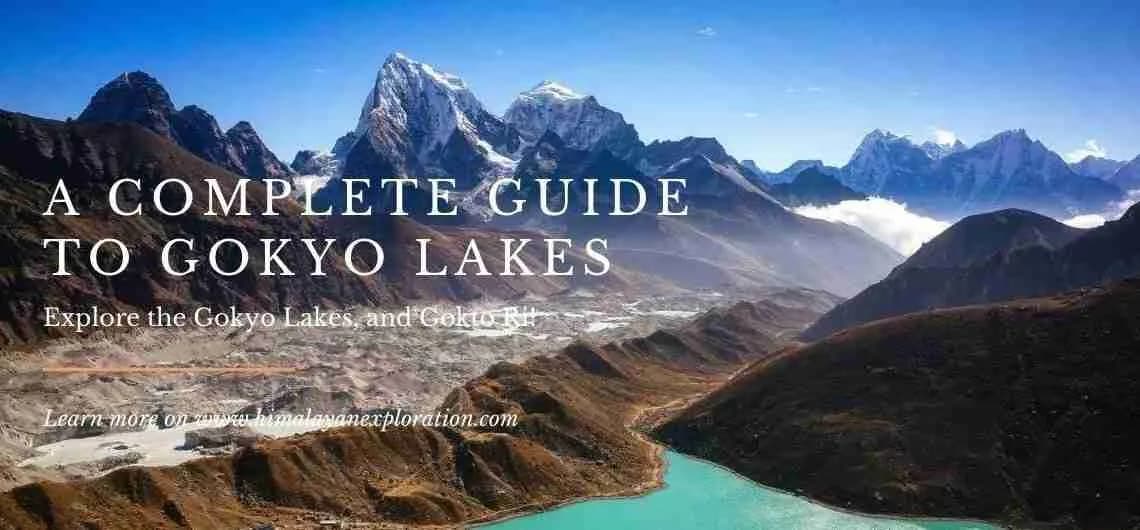
The Gokyo Lake trek in Nepal is truly remarkable and awe-inspiring. It takes you into the heart of Sherpa country and the stunning Gokyo valley, where four massive 8,000-meter peaks, including Everest, Cho Oyu, and Makalu, dominate the skyline.
The trek starts with a scenic flight from Kathmandu to Lukla, the gateway to Sagarmatha National Park. From here, your adventure begins. You must obtain a Sagarmatha National Park permit to trek in this region. The trek to Gokyo Ri (5357m) takes around eight days, starting from Gokyo village, which is strategically located for experiencing stunning sunrise views and beautiful Himalayan scenery. The views from this summit are simply breathtaking, with Mount Everest in view. And the sacred glacial lakes of Dudh Pokhari, Thonak Cho, Gyazumpa Cho, and Ngozumpa Tsho.
On the way to Gokyo Ri, there are plenty of opportunities to experience local culture by visiting villages such as Namche Bazaar and Thame, where you can encounter the vibrant Sherpa culture and traditions. On arrival in the valley, you can explore the stunning waters of the Gokyo lakes. We cross the impressive Cho La Pass at 5,330 meters from the picturesque village of Gokyo. The Cho La pass links the beautiful Khumbu Valley and the famous Everest Base Camp. The climb up Gokyo Ri Peak is strenuous, with substantial elevation gains, but the scenery and stunning sunrises are breathtaking.
If you have sufficient time, you can combine Gokyo Lake with the Everest Base Camp Trek. The Gokyo Lakes Trek is an excellent option if you are short on time. The scenery is spectacular, and the lakes are teeming with glacier-fed waterfowl. The views of Lhotse, Everest, and Cho Oyu are spectacular!!
The Gokyo Valley is one of the most beautiful valleys in the Everest Region, and this 14-day trek allows you to experience the magic of the Himalayas like never before. The trek takes you to the summit of Gokyo Ri (5,357m/17,575ft) and around the stunning Gokyo Valley, home to 19 lakes, including the highest freshwater lake system in the world.
Starting in the colorful town of Lukla, the trek follows in the footprints of mountaineers and trekkers for centuries through the captivating Khumbu region. This is a unique opportunity to experience the rich culture and traditions of the Sherpa ethnic group.
The views of iconic peaks such as Everest, Cho Oyu, and Makalu are breathtaking. Still, the lakes and Sherpa villages make this trek truly special. Pristine turquoise lakes and bustling Sherpa villages are just a few of the many highlights of the Gokyo Valley Trek. Gokyo Village is a key feature of the Gokyo Valley Trek. It is noted for its charm, cultural significance, and connection to Sherpa traditions. This classic trek offers stunning views and a unique cultural experience.

The Gokyo Valley Trek is a unique adventure in the Himalayas. To enjoy this trek fully, you will need to prepare well for your safety and comfort. Here are some important things to think about before booking your Gokyo Valley trek:
If you take care of these basics, you’ll be well-prepared to enjoy the breathtaking views of the Gokyo Valley and have a wonderful time on your trek.
Highlights of Gokyo Lakes Trek
Gokyo Lake Trek Trip Facts
| Trip Duration | 11 Days |
| Trip Difficulty | Strenuous |
| Maximum Altitude | 5375 Meters |
| Accommodation | Lodges/Tea-houses |
| Best Time to Trek | Autumn/Spring |
| Walking Duration | 5-7 hours |
| Group Size | Minimum 1 Person |
| Day | Itinerary | Altitude in Meters | Trekking Distance |
|---|---|---|---|
| 1. | Fly to Lukla, then trek to Phakding | 2600 | 3h00 |
| 2. | Trek to Namche Bazaar | 3440 | 6h00 |
| 3. | Acclimatization Day! | ||
| 4. | Trek to Dole | 3680 | 5-6h00 |
| 5. | Dole to Machhermo | 4470 | 4h00 |
| 6. | Trek to Gokyo Lakes | 4800 | 4h00 |
| 7. | Hike to Gokyo Ri (5357 m) and back to Gokyo Valley | 4800 | 4h00 |
| 8. | Trek to Dole | 3680 | 7h00 |
| 9. | Dole to Namche | 3440 | 6h00 |
| 10. | Trek to Lukla | 2800 | 7h00 |
| 11. | Fly back to Kathmandu | 1350 | 0h40 |

The Gokyo Valley Trek is a moderate trek that attracts many hikers. You should be in good physical condition to complete this trek. Here are some essential tips to consider to ensure your safety and comfort.
Acclimatization is the key to avoiding altitude sickness, so it’s important to build in extra time to your itinerary for acclimatizing. You can do this by adding a day to your stop in Namche Bazaar. It is a perfect place to take a rest day and acclimatize. Instead of treating this day as downtime, think of it as a wise investment in the success of your trek.
An extra day will allow your body to adjust to the altitude and make a massive difference in how you feel on your trek. Please don’t treat it as the time to slack off. Use it to explore the town, take day trips, and get ready for the next part of your trek.
Trekking poles are a great asset on this trek. They will be a godsend on the steep and rickety staircases and wobbly bridges we’ll be crossing. They’ll also be a big help on the uphill sections of the trek. If you don’t have trekking poles, you can always rent them in Kathmandu.
It’s also a good idea to bring a personal first aid kit packed with bandages, antiseptic wipes, pain relievers, and any special medications you take. It would help if you brought a portable altitude sickness treatment like Diamox in case either of you gets altitude sickness.
Bring any personal medications you take, especially if you take them to treat conditions like high blood pressure, and consider bringing a personal prescription pain medication. With a knee and ankle, the stairs and uneven ground can be challenging, and any pain medication will be a welcome relief.
It’s also a good idea to save some extra cash for an emergency helicopter evacuation if either of you gets seriously ill or injured and can’t be carried out on foot. It is a serious trek, and the limited medical facilities in the mountains. The money will give you peace of mind, allow you to enjoy the trek and the beautiful Gokyo Valley.
By taking the necessary precautions and preparing correctly, you’ll be able to focus on enjoying the stunning scenery of the Gokyo Valley Trek.
Nepal’s best trekking seasons are spring and autumn (March to May and September to November), and the Gokyo Lake Trek is no exception. The weather is moderately warm and stable during these seasons, making it ideal for trekking. The skies remain clear during these periods, providing stunning views of the mountains.
The average temperature in Nepal during autumn ranges from 16 to 24 degrees Celsius. In the spring, it ranges from 15 to 23 degrees Celsius.
The trail was covered with snow during winter (December to February). Excess snow can also interrupt the route in extreme conditions. Gokyo Lake can be frozen entirely when you visit in late February or early March. Similarly, the trail can be challenging in bad weather and impassable in winter.
Are you looking for an adventurous trekking experience? Gokyo Valley Trek is not a year-long destination compared to most Nepal treks. The trails are slippery during the Monsoon season (June-August), so we do not recommend it to hike this season.

The Gokyo Valley Trek is located in the stunning Gokyo Valley of the Khumbu region. The trek features high passes and unpredictable weather. Here’s what you can expect during different times of the year:
Spring and Autumn Seasons: The seasons are extremely important for trekking, especially the stunning Gokyo Valley. The spring season (March to May) and autumn (September to November) are the best times to trek to the Gokyo Valley. During these lovely seasons, the weather is warm and sunny, and the skies are crystal clear, allowing you to see the stunning Himalayan peaks in all their glory. The weather is also stable during these times, making it perfect for trekking.
Winter: The winter season (December to February) is not recommended. The trails are icy and covered in snow; in some places, it is difficult to find dry ground to camp on. It is also extremely cold and not suitable for trekking.
Monsoon: The monsoon season (June to August) brings heavy rainfall to the region. The trails are slippery and prone to landslides, and trekking during this time is not recommended.
Temperature: Temperatures on your trek can vary greatly, ranging from -10°C to 20°C. It is best to layer your clothing and bring pieces that can be easily added or removed as the weather changes.
Now that you know more about the weather and climate of the Khumbu region, you can plan your trek accordingly.
The trek starts in Lukla, at 2800 meters above sea level. Lukla is the gateway to the Everest region and a busy town. Most tourists fly to Lukla and start their trek from there. The hike is not recommended for those unfamiliar with high altitudes or those with heart or lung conditions.
The Gokyo Lakes Trek is moderately strenuous but does not involve technical skills. This itinerary takes ten days to complete the entire circuit from Lukla to Gokyo Lakes and back. On average, the trek requires 5 to 6 hours of walking daily.
Despite being less traveled than Everest Base Camp, the trail is well-marked and easily navigable. However, if you plan on embarking on the Gokyo Lakes trek, it’s crucial to remember the altitude. This trek will take you through high passes above 4,000 meters, so you’ll be at risk for Acute Mountain Sickness (AMS).
Therefore, it’s essential to be aware of the symptoms and take necessary precautions to avoid AMS while enjoying the stunning views of Gokyo Ri.
Although the Gokyo Ri Trek is considered a moderate trek, it allows you to walk through steep uphills and downhills in the rugged terrains of the Himalayas. In addition, some trails on steep slopes are physically demanding.
As a result, you must approach these routes with adequate planning and physical fitness. To prepare for the trek, perform cardiovascular exercises like hiking, jogging, cycling, and swimming.

In the beautiful Khumbu region, a new trekking permit has been in effect since 2018. The Khumbu Pasang Lhamu Rural Municipality Permit has replaced the TIMS Card. This means that trekkers no longer need a TIMS Card but a Khumbu Pasang Lhamu Rural Municipality Permit and a Sagarmatha National Park Permit.
Please note that these permits are unavailable in Kathmandu and can only be obtained in Lukla or Monjo. The Khumbu Pasang Lhamu Rural Municipality Permit costs around US$28 per person and allows you access to the entire Everest region.
If you’re doing the Gokyo Lakes Trek via the classic Jiri route. In that case, you’ll also need a Gaurishankar Conservation Area Project (GCAP) Permit. The permit costs around the same as the Sagarmatha National Park fee. It is available from the Nepal Tourism Board in Kathmandu.
| Necessary Permits | Prices |
| Pasang Lhamu Rural Municipality | NPR 3000/US$28 |
| Sagarmatha National Park | NPR 3000/US$28 |
| Gauri Shankar Conservation Area (Only applicable if a trek starts from Jiri) | NPR 3000/US$28 |
| TIMS (Trekkers’ Informarion Management System) | NPR 2000/US$18 |
Remember that all permit fees are payable in Nepalese rupees. Therefore, before trekking in this region, ensure you exchange sufficient local currency.

The Gokyo Ri Viewpoint highlights the Gokyo Lake Trek and offers a breathtaking panorama of the Himalayas. The scenery is nothing short of awe-inspiring, and among the many natural wonders, be sure to check out:
Gokyo Lake: The third lake in the Gokyo Valley is a stunning turquoise body of water surrounded by majestic mountains. It is an excellent place for photography and a relaxing break from trekking—a perfect place to soak up the beauty of nature.
Ngozumpa Glacier: The largest glacier in the Gokyo Valley, Ngozumpa Glacier, offers breathtaking views that stretch endlessly. Its immense beauty and scale are both humbling and distinct experiences.
Mount Everest: The main attraction for most trekkers, the views of Mount Everest from Gokyo Ri are legendary. Alongside Lhotse and the mountain’s southern flank, this is one of the best views of the world’s highest mountain.
Cho Oyu: Cho Oyu, the sixth-highest mountain in the world, dominates the landscape from Gokyo Ri. This is a special treat, as Cho Oyu towers above the other peaks in the region—a true highlight of the Gokyo Valley Trek.

The Gokyo Lake Trek has a selection of lodges and hotels along the way. Locals run most tea houses and are very welcoming. Most tea houses have a restaurant and a room for overnight stays. Here is a list of some of the lodges and hotels on the Gokyo Lake Trek:
You will find various teahouses and lodges on popular trek routes, including the Gokyo Lake Trek. Experience the charm of simple teahouses and unwind in cozy lodges that offer the luxury of hot showers. Despite their location, the teahouses are well-equipped and offer incredible views. You will sleep in comfortable rooms with twin beds and thin mattresses.
Most teahouses do not have attached bathrooms or squat toilets. Some teahouses and lodges offer piping-hot showers and Wi-Fi, but often at an extra cost. Charging stations are also available, and most teahouses have solar-powered charging systems.
The food is simple but filling, a great combination of Nepali and Western dishes at the teahouses. Although most menus are limited, portions are large, so you will not leave hungry. The Gokyo Valley is a wonderful trek. The accommodations are comfortable, and the food is good, an excellent combination for a wonderful trekking experience in the Himalayas.
Tailor your holiday with help from a local travel specialist that matches your requirements.
The total cost of the Gokyo Ri Trek can vary greatly depending on the route, the number of people, and the length of the stay. It can range from $1,250 to $2,400, but many reputable operators offer fixed prices.
However, the total cost of the Gokyo Lakes trek is USD 1350.00. This covers all the essential services, from transportation to accommodation, food, and other miscellaneous expenses, such as entrance and park fees.
Please email us if you have any questions about the Gokyo Ri Trek.
It is the ultimate pack for carrying gear for a high-altitude trekking adventure. The goal is to give you the tools to survive and thrive in the mountains.
This pack is ideal for any adventure where carrying weight is a concern, and, more importantly, it’s suitable for trekkers who prefer to carry their own gear rather than use porters.
This pack is ideal for trekking, mountaineering, hiking, and backpacking. Packing is easy, but it takes time. Consider what you will need during your trip.
I recommend packing for at least a week, if not longer, to ensure you have everything you need. There are many variations in how a trekker packs for a trip, but most agree on the following:
Are you heading to the Gokyo Valley Trek? Here are some great tips and tricks to help you make the most out of your adventure:
By following these tips and tricks, you’ll have a more enjoyable trek in the gorgeous Gokyo Valley and help create a more responsible travel experience.
The Gokyo Valley Trek is an absolute treat for trekkers. The stunning views of the giant Himalayas are breathtaking. However, we are heading to a high altitude on this trek. Gokyo Valley and its neighboring peaks, including Gokyo Ri (5,357m), are at very high altitudes. To help prevent altitude sickness, we have allowed a much-needed rest day in the charming town of Namche Bazaar.
This extra day in Namche is not just a rest day; it’s also a vital day for acclimatization. Your body needs time to adjust to the lower oxygen levels at high altitudes, and this day gives it just that. This will significantly affect how you feel on the trek and help you truly enjoy this incredible adventure.
The Gokyo Valley Trek offers a fantastic experience of Sherpa culture and history. The trek takes us through a beautiful valley with several Sherpa villages. The village of Gokyo is particularly stunning, situated on the shores of Gokyo Lake, the third-largest glacier lake in the Himalayas.
In the villages, we can visit quiet Sherpa monasteries and learn about the daily lives of the Sherpa people. The Sherpa are famous for their hospitality, and we are warmly welcomed into their homes. This is a truly special experience and a highlight of the Gokyo Valley Trek.

For the adventurous, we highly recommend adding on the Gokyo Valley Trek. The views of the high route over Chola Pass (5,420m) are incredible and well worth the extra days on the trek. You’ll be treated to stunning views of the upper Gokyo Valley, breathtaking vistas from Gokyo Ri, and spectacular views of Everest and its neighbors from the iconic Everest Base Camp.
Trekking to Everest Base Camp is a truly unforgettable adventure, and the stunning views make the effort worthwhile. You’ll enjoy breathtaking views of the Khumbu Icefall and have a unique experience standing at the base of Mount Everest, the highest mountain in the world. It will be a big adventure, and trekkers must be physically fit.
It also allows you to explore Gokyo and Khumbu Valleys. You must bring the necessary gear and be prepared for the adventure. We highly recommend this incredible adventure if you’re up for the challenge and have adequately prepared.
The Gokyo Lake Trek is one of the highlights of any itinerary in Nepal. It is a fantastic adventure in the Himalayas. The hike starts at Lukla airport and ends at Lukla in the Everest region of Nepal. The trek takes approximately seven days and six nights and passes through spectacular scenic landscapes.
It is one of the most popular treks in Nepal, attracting tourists from around the world.
The trek usually begins and ends in Lukla, a great way to see the Himalayas. The views are spectacular, and at the highest point, you can see Mount Everest and nearby mountains.
The trek offers the chance to visit local communities, villages, and the natural wonders. The Gokyo Ri Trek also offers plenty of photo opportunities, and the views of the mountain ranges are spectacular.
In addition, the expedition offers several beautiful places ideal for photography, and the trails around the falls are often crowded with tourists.
The Gokyo Lakes Trek is also a great spot to learn about the culture of the Himalayas. The people are fascinating and friendly. The expedition allows you to meet them, learn about their customs, and see some unique sights in the region.
Lukla is the nearest airport to Gokyo Lakes.
The Gokyo Ri Trek is a perfect alternative to the Everest Base Camp Trek. The 11-day itinerary includes everything from spectacular mountain scenery to high-altitude turquoise lakes to the immense Ngozumpa glacier.
What better place to go hiking than the stunning Gokyo Valley in the heart of the Nepalese Himalayas? It’s one of the best hikes in the world.
It’s well-known for its breathtaking views and mountain scenery, but be aware. While this trek is considered moderately difficult, some hard places are in the higher reaches of the trek. As a result, you need physical fitness and mental preparation for trekking in this region.
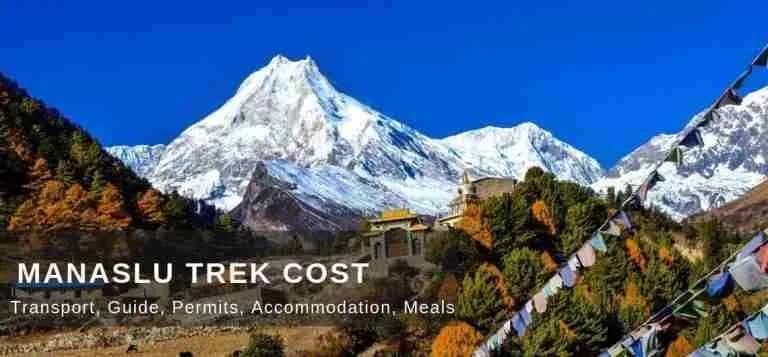
If you’ve ever dreamed of trekking in Nepal, you know that feeling when you first see those snow-capped mountains towering over the Himalayas. You’ve probably spent countless hours researching. Now you’re here, trying to figure out the real cost of the Manaslu Circuit trek and what the itinerary involves. But then reality hits. The numbers start adding
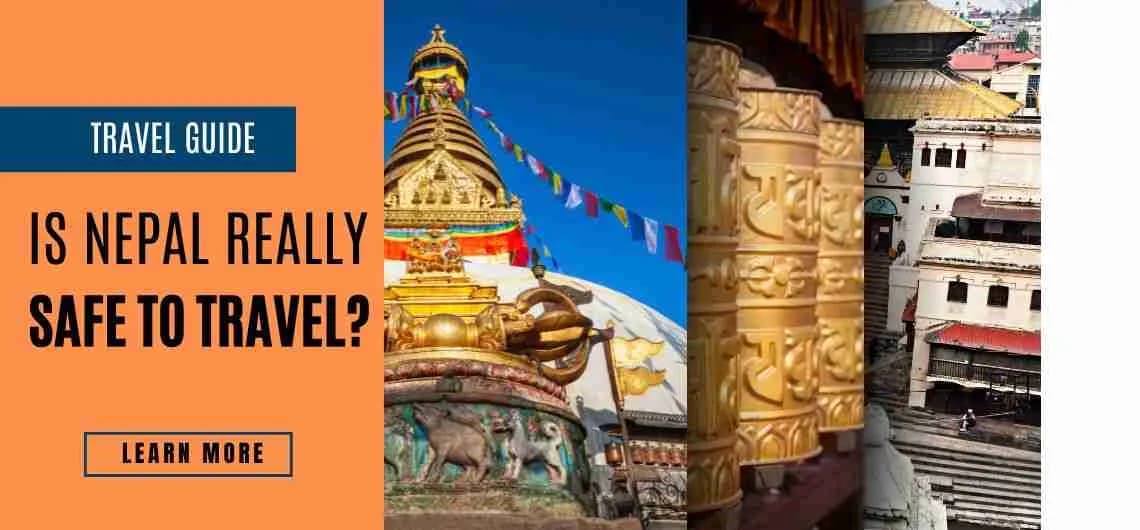
With its breathtaking peaks and lush valleys, Nepal captures the imagination of wanderers globally. But is Nepal safe to travel to, or how safe is it to travel there? This question is common among potential travelers. The good news is, with suitable precautions, Nepal is a safe and enjoyable destination. From avoiding common scams to
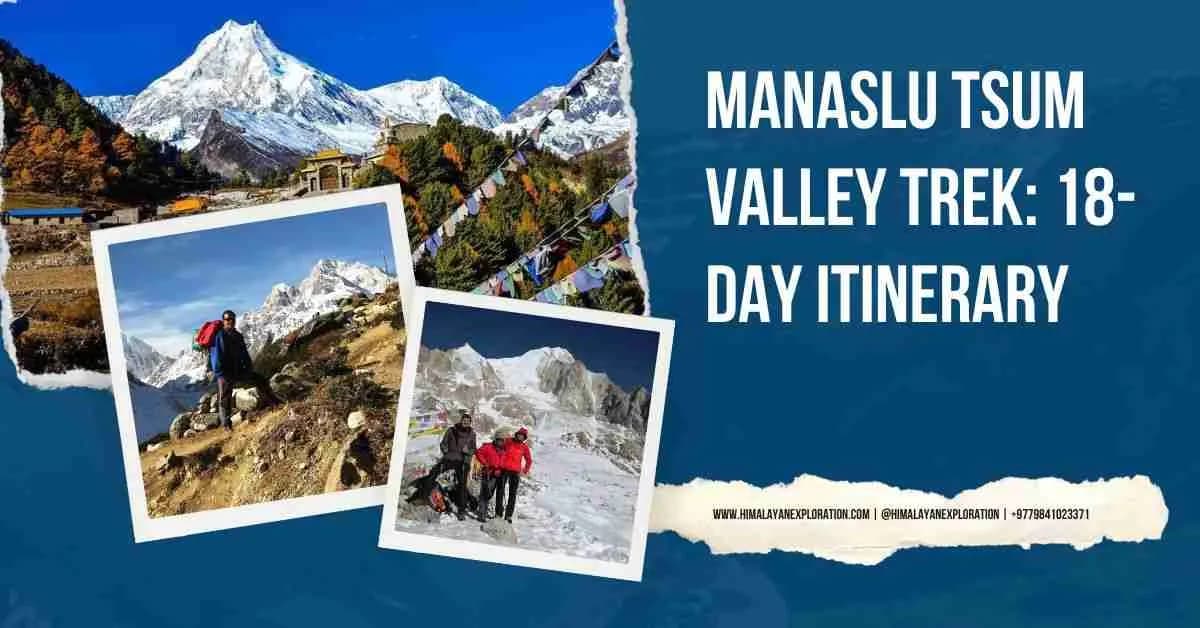
The Manaslu Tsum Valley Trek is an excellent blend of nature and culture in one of Nepal’s most stunning regions. You will see stunning mountains and challenging trails, and learn about local culture. The trek starts from Machha Khola and follows the Budhi Gandaki River through tropical forests to alpine meadows. As you trek in