

 Kumar Lama
With its breathtaking peaks and lush valleys, Nepal captures the imagination of wanderers globally. But is Nepal safe to travel to, or how safe is it to travel there? This question is common among potential travelers. The good news is, with suitable precautions, Nepal is a safe and enjoyable destination. From avoiding common scams to following health recommendations, this guide will help you navigate your trip. We’ll cover everything from the experiences of previous travelers visiting Nepal to dealing with altitude sickness and why travel insurance is a must—by the end, you’ll be unveiling the secrets of safe travel in Nepal. So, let’s get started on your upcoming adventure in this remarkable country!

Unraveling misconceptions about security issues in Nepal is crucial to helping potential travelers make informed decisions. Despite the mistaken belief that Nepal is rife with danger, the reality is that it’s a safe place for most travelers. Yes, a few common scams exist, but with the proper precautions, you can navigate them. The recent surge in helicopter insurance fraud is a concern, but you can stay safe by staying aware. Nepal is generally under a Level 2 travel advisory due to political demonstrations and localized unrest.
When you plan a trip to Nepal, it’s wise to check travel advisories and monitor local media, as civil unrest and protests can happen at short notice and disrupt transportation and essential services. A little caution goes a long way in avoiding petty theft in crowded areas. Always protect your online data using a VPN when connected to public WiFi. It’s an intelligent way to stay safe. It is advisable to avoid sketchy neighborhoods late at night.
Popular tourist areas like Kathmandu and Pokhara have low crime rates, but minor offenses like pickpocketing and scams can occur, and small-scale politically motivated attacks have occasionally occurred in Kathmandu. In crowded places, petty crime can rise during the festival season from September to November and around busy tourist sites.
To evade excessive charges, it’s prudent to agree on taxi fares upfront and stay alert in bars and clubs. Drink spiking incidents have been reported, so never leave drinks unattended. Reports of sexual assault against women in tourist areas such as Thamel are another reason to use extra caution at night. In case of an emergency, dial 100 for police assistance or 102 for ambulance services.
Health-related considerations are paramount when you travel to Nepal. The risk of diarrhea and foodborne illnesses is present, so stick to bottled or purified water and cooked foods. Kathmandu boasts quality hospitals, and the cost of healthcare is reasonable. It’s a good idea to pack a first-aid kit with essential medications.
Cultural sensitivity is appreciated, but it’s a must in Nepal. Modest dressing, avoiding public displays of affection, and taking off shoes in temples are social norms and signs of respect. Nepal is quite LGBTQ+ friendly, but public affection is frowned upon, so it’s essential to consider local customs.
Staying safe in Nepal means using common sense. Avoid areas with a high concentration of bars and clubs, be cautious with overly friendly locals, and respect cultural norms. Opt for well-known trekking agencies and tour operators, and always remember to secure travel insurance, particularly for trekking and similar activities.
Many visitors to Nepal report overwhelmingly positive experiences, often praising the locals’ friendliness and hospitality. While they emphasize the need for vigilance and preparedness to handle occasional scams and inconveniences, their overall impression is one of excitement and optimism for the journey ahead, echoing many of the reasons highlighted in our guide for why you should travel to Nepal.
Selecting reputable travel agencies and tour operators can make your trip to Nepal a breeze. Please do your research, read reviews, and choose wisely to avoid scams and enjoy a hassle-free experience.
Remember, Nepal is safe to travel to, provided you take the necessary precautions and are aware of common scams. Respecting local customs and adhering to safety measures will ensure an unforgettable trip.

Before setting foot in Nepal, travelers must be aware of travel advisories and warnings and take proper safety precautions. One of the major concerns for travelers is altitude sickness. Nepal is home to the highest peaks globally, so it’s easy to underestimate the risks associated with high altitudes. Always acclimatize properly, and never underestimate the symptoms of altitude sickness. Check weather conditions and forecasts before trekking or booking mountain transport, as both can quickly affect safety and timing.
Another thing to keep in mind is the Nepali price. Prices in Nepal are usually negotiable, especially in tourist areas. Haggling is a common practice, and as a foreigner, it’s not unusual to start with inflated prices. Keep your cool, bargain respectfully, and you’ll find the actual Nepali price.
Road conditions in Nepal can be poor, especially on mountainous routes, and road accidents are relatively common because traffic rules are not consistently enforced; delays are also frequent in the Kathmandu Valley. Public buses may be poorly maintained, while tourist buses are usually the safer option for longer journeys.
Travelers often wonder: “Is Nepal safe?” The answer is a resounding yes if you take appropriate measures, including following important travel advice for your trip to Nepal. One of the most recommended actions is getting travel insurance. This is particularly useful for travelers planning to trek, an activity that could carry potential risks.
Personal safety is a top priority. While the people of Nepal are very welcoming, it’s essential to be wary of overly friendly strangers and keep a close eye on your belongings, especially in crowded areas.
As for healthcare, many travelers worry about food and water safety. Avoiding raw foods and sticking to bottled water are great ways to minimize the risk of traveler’s diarrhea and food poisoning. Carry necessary medications and a small first-aid kit for emergencies.
Social norms in Nepal are different from those in many Western countries. Modest dress is appreciated, and public displays of affection are frowned upon, even though Nepal feels LGBTQ+-friendly. Respecting these norms will keep you safe and make your experience more enjoyable.
In a nutshell, if you check and follow these instructions, you might feel very safe while traveling to Nepal. It’s similar to doing your homework before your trip and staying vigilant during your stay. Keep travel plans flexible during the monsoon season, which runs from June to September, because bad weather often disrupts roads and flights. Landslides and flooding can make roads impassable in remote areas, delaying emergency help. Traveling to Nepal can be a fantastic adventure. So, prepare to immerse yourself in the rich culture and breathtaking landscapes of this beautiful Himalayan country.

Analyzing criminal activity and protective measures in popular tourist destinations is a good start for those planning to travel to Nepal. The most frequented areas, such as Kathmandu and Pokhara, have relatively low crime rates. Yet, as in any place buzzing with tourists, petty crimes like pickpocketing and scams occur. Carry digital and paper copies of your passport, visa, and insurance documents.
The best defense is to keep your wits about you. For instance, it’s wise to negotiate taxi fares upfront and avoid getting ripped off. Don’t be an easy prey in bars and clubs either; keep an eye on your bill to avoid any surprise charges.
As a traveler, you might meet overly friendly locals. They might seem nice, but they could be trying to trick you. Their tactics include helicopter insurance fraud. So, remember to stay cautious. Public WiFi networks can be hotspots for online scams, and before moving around during strikes or protests, check for up-to-date information from local media and official sources. To protect your private data, use a VPN when accessing the internet in public places.
Staying healthy can also be challenging, especially with the risk of traveler’s diarrhea and food poisoning. To avoid these, stick to bottled water and cooked foods. Kathmandu has good hospitals for medical attention, and healthcare is reasonably high.
In Nepal, respect goes a long way. The locals appreciate tourists who follow their customs. Please dress modestly, remove your shoes before entering temples, and remember that public displays of affection are unacceptable. Even though Nepal is LGBTQ+ friendly, it’s best to keep affectionate gestures private. For a worry-free experience, choose reputable travel agencies and tour operators. Do your research and read reviews before booking. It will help you avoid scams and enjoy your trip to the fullest.
Ultimately, your protective measures are just as necessary as your planned adventures. So, gear up, respect the local norms, and prepare for an unforgettable trip to the land of the Himalayas. Remember to pack your sense of adventure and a good dose of caution. Remember, preparation is the best way to enjoy your travels to Nepal.

When you travel to Nepal, prioritizing your health is as critical as packing your hiking boots. Stick to bottled or purified water, since tap water is not safe to drink without treatment, and choose cooked meals to avoid the risk of diarrhea and food poisoning. Travelers’ diarrhea is common, and typhoid fever can spread through contaminated food and water. Kathmandu has excellent hospitals and affordable healthcare, making it a great place for treatment. Since medical facilities outside the major cities can be limited, especially in serious illness or injury cases, Kathmandu truly stands out as a reliable option. Air quality in Kathmandu can also be poor at times due to pollution, which is a concern for travelers with respiratory conditions.
For those trekking at high altitudes, be aware that acute mountain sickness is the mildest form of altitude sickness and can start above 2,400 meters. The risk of altitude sickness increases with elevation, and most trekking trails ascend to elevations above 5,500 meters, where changing weather and avalanches add to the danger. More severe complications include high altitude pulmonary edema and high altitude cerebral edema, both of which are life-threatening, so trekkers should descend immediately if severe symptoms appear. Travel insurance should include medical evacuation or helicopter evacuation, since a helicopter rescue may cost $3,000 to $10,000 and a helicopter evacuation can run $5,000 to $20,000.
Remember, your health isn’t just about what you consume or where you trek. You should bring necessary medications from home; a well-stocked first-aid kit is always a good idea, and aid kits are especially important in remote areas.
Now, it’s not just your physical health that matters. It would be best if you are mentally prepared, too. Understand the Nepali price system before your visit. Be ready to haggle when shopping at local markets or hiring taxis.
Let’s face it: no one wants to be ill or stressed during their vacation. So, as you plan your trip, take these health and medical considerations to heart. After all, there is a reason why they say, “Health is wealth.” For more detailed tips on staying healthy and safe during your trip, don’t hesitate to check out our Travel Advice Page. We’ve compiled a handy guide to help you prepare for your exciting adventure in Nepal!
In the end, your safety and enjoyment are the ultimate goals. With the correct planning and precautions, you can experience all the beauty and excitement Nepal offers. So, remember these travel hacks to become a better traveler, and prepare to enjoy the trip of a lifetime!

When you’re ready to travel to Nepal, it’s wise to familiarize yourself with its customs and societal expectations. This will enrich your experience. Nepalese society is deeply rooted in tradition, and respecting these norms will earn you a warm welcome.
Please remember that public displays of affection are frowned upon. Be it holding hands or hugging, it’s considered inappropriate, especially in rural areas. Keep your affections private to avoid any unpleasant situations. You’ll find that modest clothing is the norm, particularly for women. Short shorts and revealing tops may attract unwanted attention. Opt for long skirts, trousers, and tops that cover your shoulders.
When visiting religious sites, remember to remove your shoes and hats. Walking clockwise is customary in Hindu and Buddhist temples. Always ask for permission before taking photographs inside a temple. The Nepalese are tolerant of the LGBTQ+ community, but public displays of affection are best avoided regardless of sexual orientation.
Accepting food or drink is courteous if invited to a local’s home. However, be aware that your host may continuously refill your plate as you eat. If you’ve had your fill, leave a small amount of food on your plate to indicate you’re done.
Tipping is expected in Nepal, particularly in the service industry, particularly in restaurants and hotels. If you’re trekking, consider tipping your guides and porters at the end of your trip.
To conclude, respecting Nepal’s cultural and social norms will make your visit enjoyable and stress-free. Show respect and be open to new experiences, and you’ll leave with unforgettable memories of this fantastic country. Always remember that your actions reflect not only on you but also on all the travelers who will come after you.

Before setting foot on the enchanting lands of Nepal, it’s wise to prepare for a safe and memorable visit. Here are some handy tips to make your travel to Nepal smooth and enjoyable.
Remember, Nepal is a paradise for trekking enthusiasts, but it’s wise to have travel insurance for such adventurous activities. Prepare for altitude sickness, a common issue for trekkers. Check trail conditions and weather forecasts before heading into trekking areas. Nepal is prone to natural disasters, and earthquakes can occur year-round, so follow local advice and local authorities during emergencies.
Remember that the people of Nepal are known for their friendliness and hospitality. Embrace their warmth, but stay alert to avoid scams. If you take these precautions, your visit to Nepal will be a journey to remember. It’s time to travel, pack your bags, and enjoy Nepal’s beauty, culture, and adventure. Safe travels!!

Here, you’ll find genuine accounts and stories from travelers who have experienced Nepal’s allure firsthand. Each tale is a candid reflection of their adventure, a rich tapestry woven with the threads of joy, challenge, discovery, and personal growth.
One traveler recounts her mystic encounter with the timeless beauty of the Himalayas. She writes, “I found solace in the silence of the mountains and strength in each step I took higher. I felt small yet invincible. Travel to Nepal, and you’ll understand what I mean.”
Another shares his thrilling experience of an Upper Dolpo Trek. “Every day was a new adventure, a test of endurance. And yet, the sheer beauty of the landscapes, the warmth of the locals, and the camaraderie among fellow trekkers made it all worthwhile.”
A solo female traveler shares her perspective. “Yes, I ran into a few minor scams and some touts, but nothing I couldn’t handle. The Nepalese people are amicable and respectful. I never felt threatened or unsafe.”
A young couple narrates their unforgettable stay in Kathmandu. “The city’s rich history, the colorful markets, the food! Oh, and did we mention the food? The ‘momos’ are a must-try!”
A backpacker talks about his love for Pokhara. “Pokhara is a haven for backpackers. It has a relaxed vibe and stunning nature. The paragliding experience was a thrilling highlight!”
A mountaineer echoes a sentiment many share. “One must be prepared for altitude sickness when traveling to Nepal, especially if you’re planning a trek. I was glad I had done my research.”
These stories serve to inspire, but they should be distinct from thorough planning and preparation for your own trip. Nepal’s charm lies in its diversity, so each experience is as distinct as the travelers. For a more visual experience, peek at some wanderlust-inducing images of Nepal on Instagram.
Ultimately, travel to Nepal is a personal narrative waiting to be written. Are you ready to start your chapter?
Here’s a tip to make your trip to Nepal unforgettable: choose a reliable, trustworthy travel agency or tour operator. You can reduce the risk of falls and trips during your adventure by making careful choices. Let’s move on to some top-notch agencies you might consider.
Intrepid Travel is a fantastic choice. With more than 35 years in the industry, they have perfected their game. They provide a wide range of tours, from cultural visits to high-altitude trekking in over 100 countries across all seven continents. Don’t forget to bring a camera—their trips offer breathtaking views!
Around The World Travel is another solid option. This agency is known for personalized service and a knack for making everyone feel like family. With them, you can enjoy Nepal’s people and culture, not just the sights.
If you’re a trekking enthusiast, the Himalayan Exploration Trek is an excellent way to explore off-the-beaten-path trails. This company has been guiding adventurers through Nepal’s mountains since 2013. With their expertise, you won’t have to worry about altitude sickness during your trek.
They are renowned for their unwavering commitment to eco-friendly travel, making them the perfect choice for those who want to leave only footprints and take only memories.
A great travel agency or tour operator can make your Nepal adventure safer and more enjoyable. Remember, a good agency guides, supports, and helps you reach new heights. So, let the adventure begin!

As we conclude our discussion, let’s consider the safety concerns of those who plan to travel to Nepal. Yes, Nepal is safe for tourists with the proper precautions. Be alert to common scams, respect the local customs, and take safety measures. With these steps, your trip can be a memorable one.
Most travelers emphasize the friendliness of the Nepalese people. Yet, they advise staying aware to avoid scams and minor issues. Negotiating taxi fares in advance and being cautious in bars and clubs are good ideas.
When traveling, health and safety should be at the forefront of your mind. Drinking bottled water and eating cooked foods can help avoid ailments. While the healthcare in Kathmandu is commendable, it’s always prudent to bring essential medications and a practical first-aid kit.
Trekking is a viral activity in Nepal, and it’s crucial to approach it cautiously. Reputable travel agencies and tour operators can assure safety during such adventures. Research and read reviews before booking any services.
Please be mindful of local customs and dress modestly. Additionally, refrain from displaying affection in public. Nepal is welcoming to the LGBTQ+ community, but public displays of affection might not be well received.
Ultimately, traveling to Nepal can be a safe and enriching experience with the proper preparation and precautions. Enjoy the beauty of Nepal, and let the adventure begin! Please find our blog post with a comprehensive guide to travel safety tips.
So, is it safe to travel to Nepal? Yes, it absolutely is! But like anywhere on the globe, it pays to be aware and take common-sense precautions. From avoiding scams to respecting customs, these measures go a long way in making your trip successful.
Nepal is a beautiful nation with much to offer. It’s a haven for adventurers, a dream for culture enthusiasts, and a delight for nature lovers. With the right approach and some prep, you’ll have an unforgettable experience in this fascinating land.
So, go ahead. Pack your bags, lace your boots, and prepare for a lifetime adventure in Nepal. Remember, the road less traveled often leads to the most incredible destinations. Happy travels!
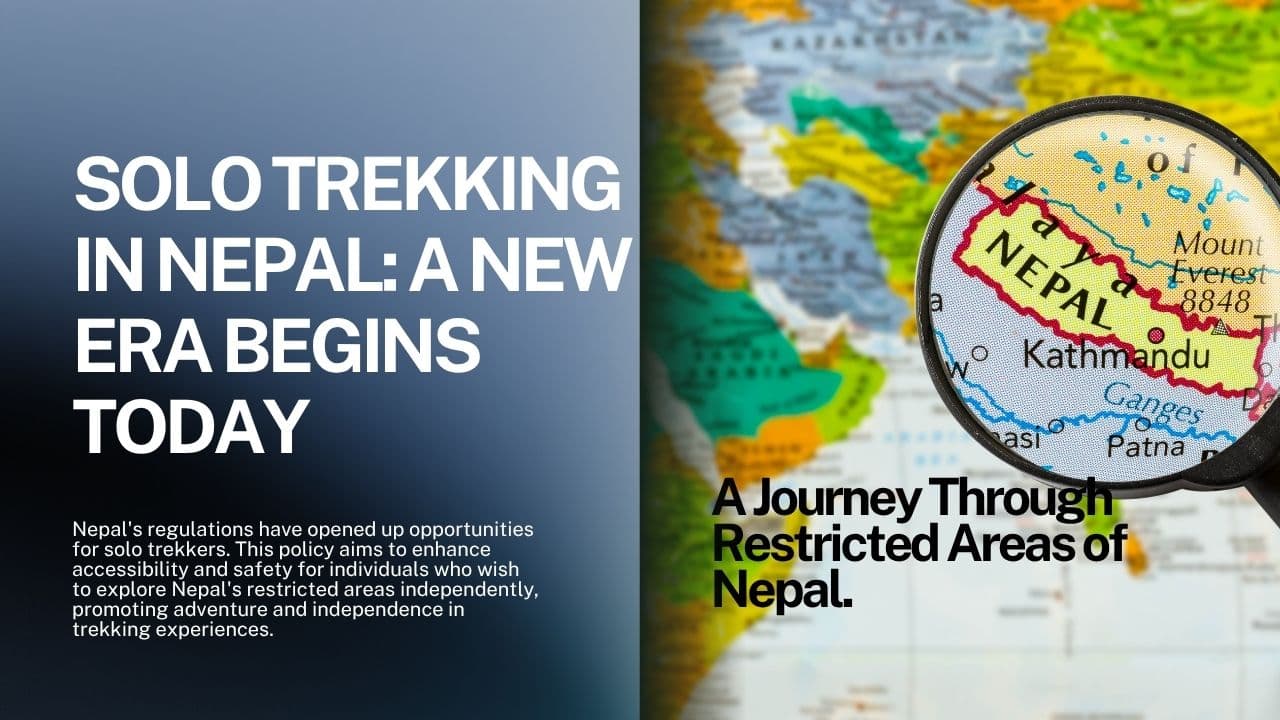
Nepal has some restricted areas in the Himalayas that border Tibet. It stretches from the East to the West, covering 13 districts in total. Trekking in these designated areas requires a trekking permit. A group of two or more trekkers must apply for the permit. The Government of Nepal has made significant changes to the
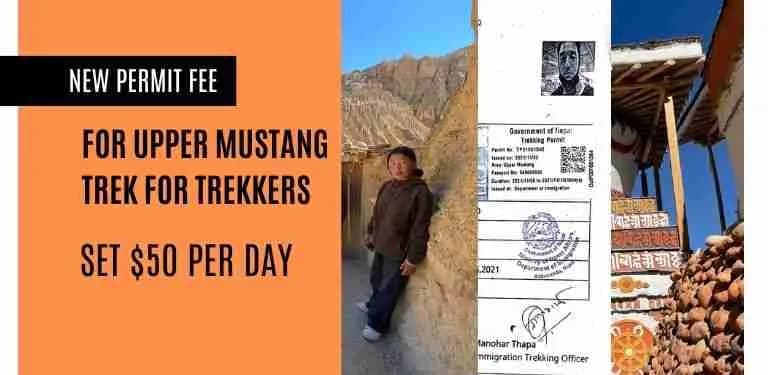
To shake things up and attract more tourists, the government has made the bold decision to scrap the $500 flat fee per person for a 10-day visit to the Upper Mustang region. Travelers will still need a Mustang permit to explore this beautiful area. However, the Mustang permit price has significantly decreased. This area, nestled
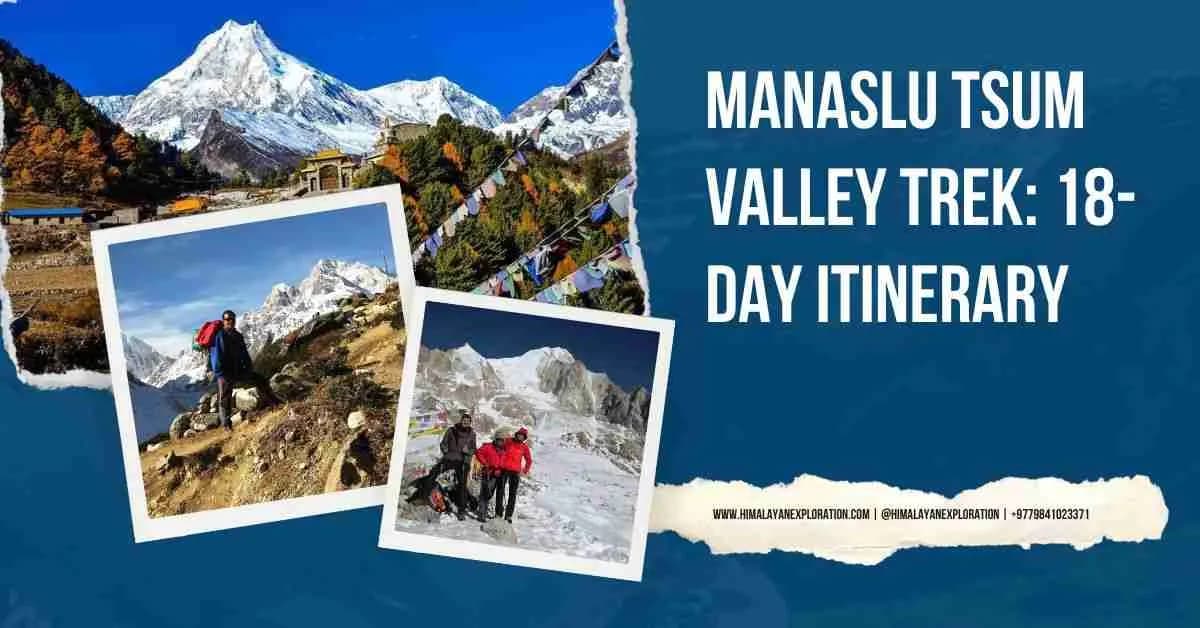
The Manaslu Tsum Valley Trek is an excellent blend of nature and culture in one of Nepal’s most stunning regions. You will see stunning mountains and challenging trails, and learn about local culture. The trek starts from Machha Khola and follows the Budhi Gandaki River through tropical forests to alpine meadows. As you trek in