



 Kumar Lama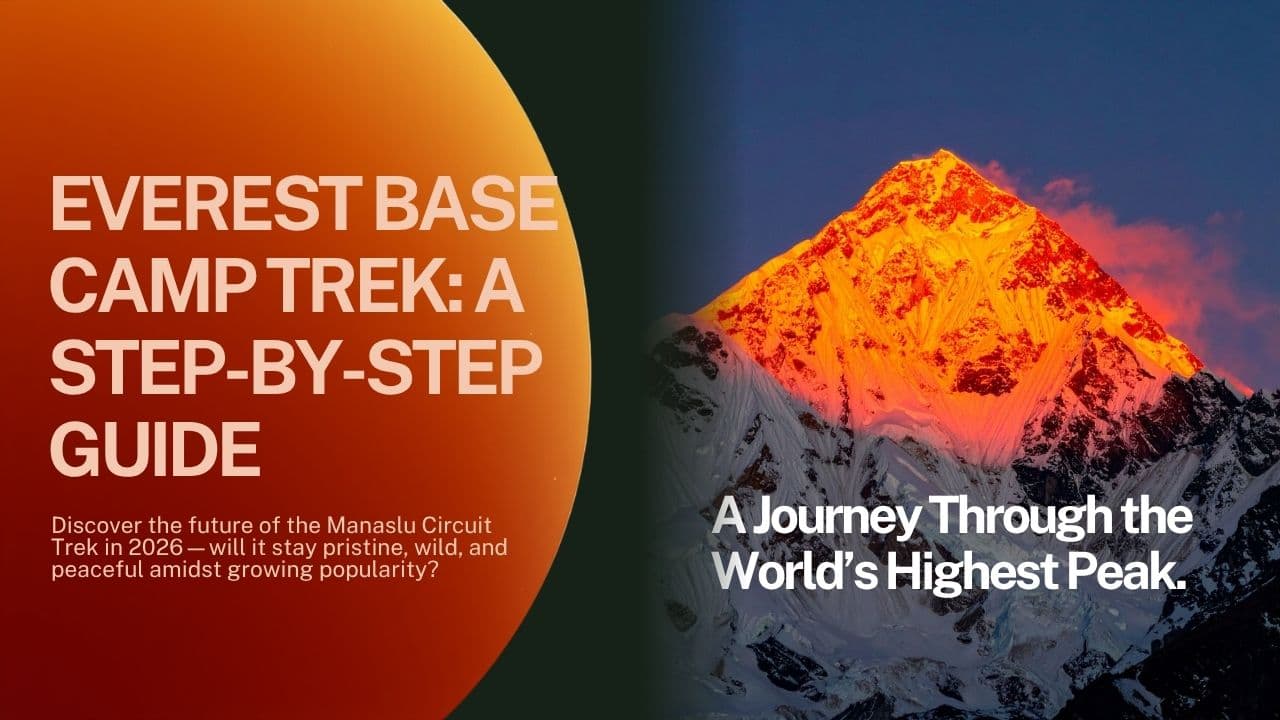
If you are planning to trek to Everest Base Camp, proper preparation is the best way to ensure a safe and successful trek. An Everest Base Camp guide can help answer many of the questions that often pop into your mind. This happens whether you are a first-time trekker or an experienced adventurer.
The questions might be like this:
How do you plan, what should you bring, what is there to expect, or when is the best time to go? These are common questions every trekker ponders.
You will get the answers to all these questions. But most importantly, I am focusing on some helpful tips for first-time trekkers with no experience.
I have guided on Himalayan treks for the last two decades, with thousands of tourists. However, some of them had no experience at all. What allows these tourists to complete the treks without experience comes down to four things, especially when they avoid common mistakes on the Everest Base Camp journey. The question hit your mind, I guess.
But how is it possible without experience?
Short Answer: Himalayan Exploration Treks brings the Everest Base Camp guide to beginners as well as to those with no prior experience!
So the door is opening, giving you a new opportunity to experience it. It won’t stop you from achieving your dream because of a lack of experience.
In this guide, I will show you exactly what you need to know to complete the classic trek to Everest Base Camp. With this information, you can achieve your goal.
When you plan a trek in the Himalayas, you should know these 4 essential pieces of info (most important). These pieces of information also apply to the Everest Base Camp journey. If you can manage all of these, then you will not face any challenges along the trail.
With all this information, you can now plan this trek smoothly.
The Everest Base Camp Trek is an ideal way to explore the Khumbu region. You will cross river valleys, moraines, and glaciers. The combination of these features creates the stunning landscapes. Of course, you will be amazed by the breathtaking views of some of the tallest mountains in the world.
Your journey to the world’s highest mountain is not only about walking in the Sagarmatha National Park. It’s a complete immersion because you will go through the historical Sherpa village. Here, you will see mani walls, tsortens, prayer flags, wheels, and the monasteries. It is a deep spiritual connection where the nature meets culture.
You will cross through the small settlements while trekking to the Everest Base Camp. These settlements are the villages where the people live. The Everest Base Camp trail goes through many villages in the Khumbu.
It follows the major mountain rivers that drain the region, overlooking the white mountains like Ama Dablam, Lhotse, Nuptse, Changtse, Thamserku, and Kongdi Ri. And many more as you trek along the fantastic trail.
See all the wonders that await those brave enough to take on the Everest Three Passes Trek for the ultimate trekking experience.

There are several ways to get to Everest Base Camp. Among them, flying to Lukla is the quickest way to reach EBC. Some itineraries even combine a trek to Everest Base Camp with a helicopter return for added comfort and speed. The weather is always unpredictable, which makes it hard to land there. If the flight changes in Lukla, this is what professionals do to arrange your Everest Base Camp Trek.
There are no direct flights from Kathmandu to Lukla, except during the low season. Meanwhile, all the flights will reroute from Manthali to Lukla. In such a case, this ultimate guide to flying to Lukla will be helpful in plan your journey.
Lukla is the one of the most preferred gateways to the Everest region. It is now almost a road connection, but it is a long, arduous journey. So most trekkers start their trek from Lukla to Everest Base Camp.

You are not only trekking to the Everest Base Camp, but you are also visiting the Sagarmatha National Park at the same time. To trek there, you must obtain the following permits.
It ensures that you are legally trekking and are part of a conservation effort.
The Trek Card costs NPR 2000 (approx. US$18). The Sagarmatha National Park Entry Permit costs NPR 3000 (US$27). Both permits are valid for the whole trek.
To obtain these permits, you may need your passport and a photograph.
Keep in mind that you might need to show them at the checkpoint along the trail.
With your permits in hand, you can hit the trail with confidence.

Get help from our travel specialists for trip ideas that keep pace with your interests.
As mentioned above, the journey to the EBC Trek usually starts with a 30 to 40-minute flight from Kathmandu to Lukla during the off-season. It is considered one of the most spectacular short flights to the world’s most dangerous airport.
The Lukla Airport is also fascinating. It has a single runway that drops off into a gaping open valley at the end. The terrain around Lukla is quite different from Kathmandu airport. You may feel this change when you land at Lukla.
From the village of Lukla, you will follow the trekking trail through the villages like Phakding and Manjo into the Sagarmatha National Park. Afterward, you will pass through Namche Bazaar, Tengboche, and Gorakshep on your way to the Everest Base Camp from Lukla.
Generally, the trek lasts for 14 days, including acclimatization days. The duration of walking from one place to another takes 5 to 6 hours on a typical day.
| Days | Itinerary | Altitude in Meters | Distance |
| 1. | Arrival day | 1350 | |
| 2. | Free day & Trek Preparation | ||
| 3. | Fkight to Lukla, then trek to Phakding | 2650 | 3h00 |
| 4. | Phakding to Namche (A steep climb involves from the Larcha bridge. | 3440 | 6h00 |
| 5. | Acclimatization day! | ||
| 6. | Namche to Tengboche | 3850 | 5h00 |
| 7. | Tengboche to Dingboche (get into thin air) | 4410 | 6h00 |
| 8. | Acclimatization day! | ||
| 9. | Dingboche to Lobuche via Thuk-la pass. | 4900 | 5h00 |
| 10. | Trek to Gorakshep, then explore EBC (5364 meters) | 5140 | 7h00 |
| 11. | Hike to Kalapatthar (5545 m) for the sunrise view over Mount Everest). | 3900 | 7h30 |
| 12. | Pangboche to Namche | 3440 | 6h00 |
| 13. | Namche to Lukla | 2850 | 7h00 |
| 14. | Fly out to Kathmandu and leisure in the afternoon. | ||
| 15. | Free day in Kathmandu and shopping | ||
| 16. | Final departure |
Once you plan your itinerary, it is time to choose the best time for your trek.

You may also like to read: Find The 5 Best Itinerary Ideas for Trekking to Everest Base Camp.
The best time to trek to Everest Base Camp is during the spring months of February through May and the fall months of September and October. Nepal mainly experiences four seasons: autumn (September to December), spring (March to May), winter (the end of December to February), and summer (June to August).
The autumn and spring seasons are the best times for the Everest Base Camp Trek because the weather remains good. There is less possibility of flight cancellation due to adverse weather. Blue skies mean no clouds at all. As a result, you will have good views of the mountains and surrounding peaks.
Trekking during the winter months of November to January is possible, but temperatures can drop below freezing. Summer (June through early September) is the monsoon season. You can trek during these months. But you will have a high possibility of poor visibility and expect the heavy rainfall. Because of this, you are not recommended to trek this season.
That is why autumn and spring are considered the busiest seasons for trekking. Most trekkers to the Everest region arrive during this time, so hotels and plane tickets become booked quickly.
With the right timing in mind, let’s look at what makes the trek challenging and how to prepare for it.

Many factors make your trek to Everest Base Camp difficult. These factors include, but are not limited to, weather, terrain, and lack of physical fitness.
It all combines into a trek and makes it more difficult than expected. Therefore, you need to do research on any trek before hitting the trailhead. It helps you understand how to prepare and what to bring.
You should prepare physically and mentally for the trek to Everest Base Camp. But you don’t need to worry because you can overcome it if you are fit enough.
So, if you are curious about this exciting adventure, check out our beginner’s guide on how to trek to Everest Base Camp.
Once you understand the difficulty, check the gear and packing essentials, including detailed tips for preparing for the Everest Base Camp trek.
You need proper gear, including warm clothing and good hiking boots, for a successful trek to Everest Base Camp. Here is the general list of gear and packing items. You may choose the right items that will keep you more comfortable.

You can pack the items according to the season and make the pack as light as possible. If you have excess luggage, you may store it in the hotel in Kathmandu. The hotel in Kathmandu provides storage facilities.
Once you pack your gear, you are ready to hit the trailhead and handle any challenges that you face.
The Everest Base Camp Trek Map is an integral part of your journey. You will get trail info, altitude, distance, and other important landmarks.
You can either use the Google map or the topographic map. But we recommend buying a hard copy of the updated topographic map.
Kathmandu has a wide range of hotels from tourist-class to five-star categories. Once the trek commences, the guesthouses and tea houses offer services with basic amenities in the mountains. That is not to say the accommodations are uncomfortable.
Generally, the guesthouses and the lodges are very comfortable, and breakfast and dinner will be served there.
Generally, twin-sharing lodge-to-lodge accommodations are available in the mountains. However, the trekkers are sometimes required to share the room with other trekkers (of the same gender) in peak season.
Electricity is available at all lodges, and some even offer Wi-Fi. However, laundry services are unavailable except at Namche, Lukla, and Phakding. You will pay an extra amount for hot water.
After settling into your accommodation, you’ll want to know what meals and hydration options are available on the trek.

There are a variety of meal options in the Everest Base Camp Trek. From classic Nepali cuisine to the popular Western dishes, you can savor them.
You will get 3 meals a day from breakfast to dinner. Generally, you will have breakfast and dinner at the same guesthouse. And you will have lunch along the journey between destinations at noon.
You can buy mineral water from the shops, and it costs US$1.5 to US$2.5.
But you can bring your own water bottle and fill it directly from the tap or a spring. It is the cheapest way to travel and helps protect the environment. You can use water purification pills to make it drinkable.
So you can drink 2-4 liters a day to stay hydrated and prevent altitude sickness, which we will cover next.

If your body can not adapt to the low oxygen level, you will feel altitude sickness. It doesn’t matter how old or how fit you are, because it can catch you if you ascend quickly.
Common symptoms of altitude sickness include:
You can prevent altitude sickness by applying these measures:
If you feel the symptoms, take this action:
With these precautions and a proper acclimatization plan, you can safely enjoy the trek.

You can exchange your money in Nepal. It is available upon your arrival at the airport, at your hotel, and at other money changer counters.
When you trek in the Himalayas, such as Everest Base Camp, there is very little possibility of changing the money. So it is a good idea to bring local currency wherever you trek in Nepal.
There are ATMs in the some places like Lukla and Namche Bazaar. But these ATMs sometimes malfunction. So don’t rely on them to withdraw the money.
If you have enough local currency, you can buy the things that you really want and better manage the overall costs of an Everest Base Camp trek. Otherwise, you have to miss them because of local money.
You may need some extra cash because there are some exclusions in your trekking package. The trekking company generally excludes services such as hot showers, charging for gadgets, and certain drinks.
To pay for these extra services, you may need the cash.
Get in Touch with a local travel specialist who can help organize your trip.
The Everest Base Camp trek pushes you out of your comfort zone, yet it is one of the most popular treks in Nepal.
The trek does not feature only the Mount Everest, but it features the beautiful landscapes, including glaciers, moraines, and the river valleys.
Similarly, the historic villages like Namche, Khumjung, and Pangboche reflect the way of life. The Tengboche monastery itself is a religious site that leaves you feeling spiritual.
However, the Everest Base Camp Trek is worth it and a bucket list adventure, too for those who really want to explore the beauty of the Himalayas.
The Everest Base Camp trek guide is the smartest way to plan your journey. Now, you understand how to easily trek to Everest Base Camp, whether on a classic route or a 12-day Everest Base Camp trek. So lace up your boots, pack your backpack, and hit the trail.
Need help getting started?
Book your trip and let our team handle the details so you can focus on a better experience.
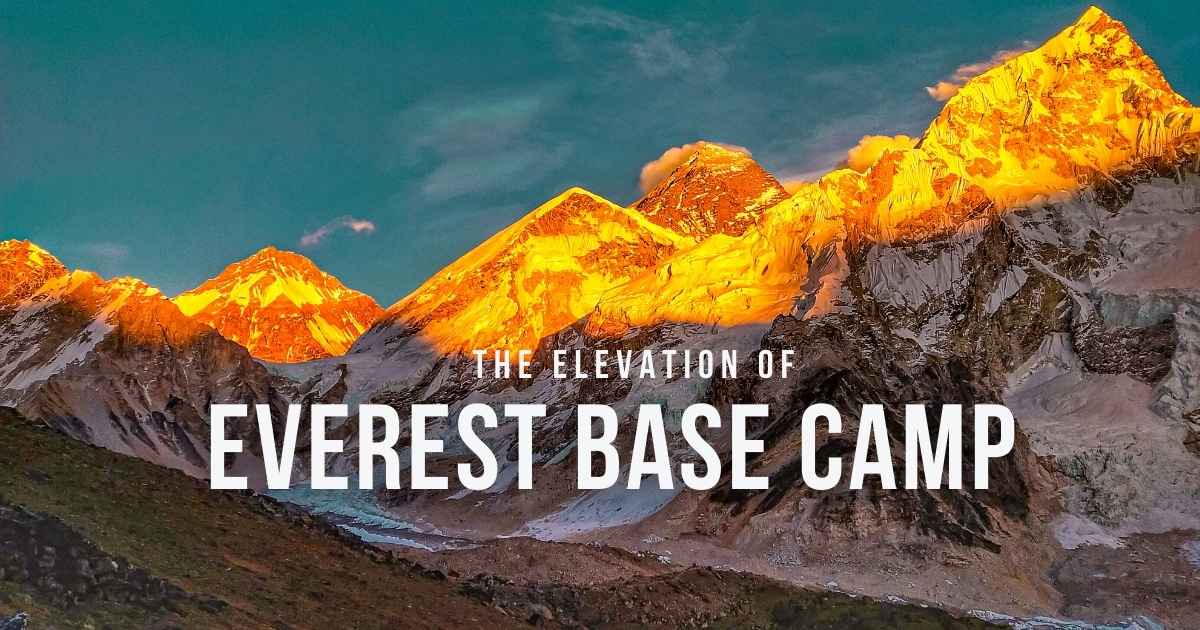
When you hear the name of Mount Everest, you suddenly think of its base camps or the summit of the tallest mountain on Earth. For mountain climbers and trekkers, it is a significant milestone. You will gain the elevation to get to Everest Base Camp (EBC). It is that crucial stopover that gets you halfway
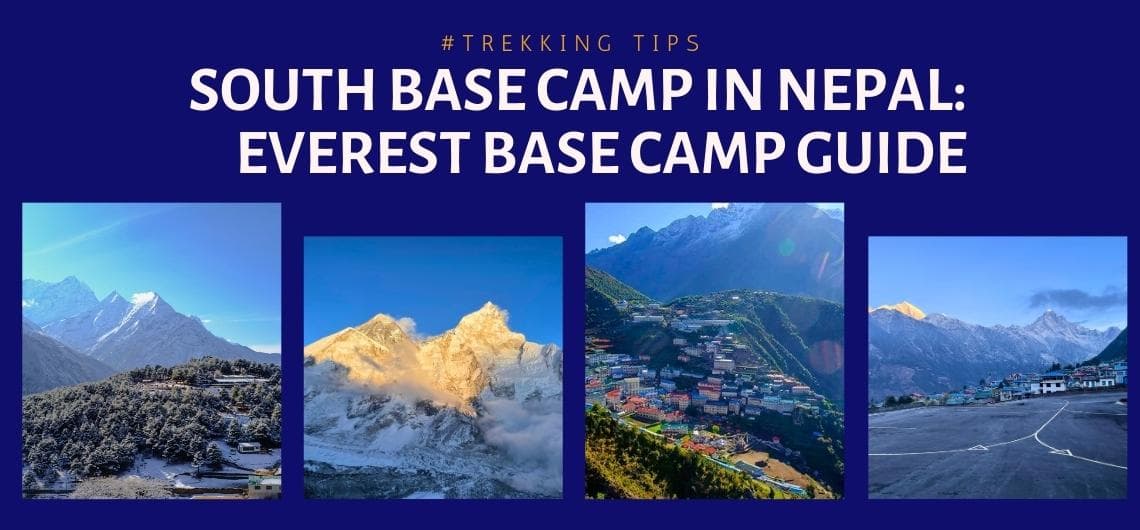
There are hardly any places found on Earth that have the same name in different countries. The Everest Base Camp is an example. It’s in both Tibet and Nepal. The place has a lot of history and adventure written all over it. Similarly, the Everest South Base Camp in Nepal is full of adventure and
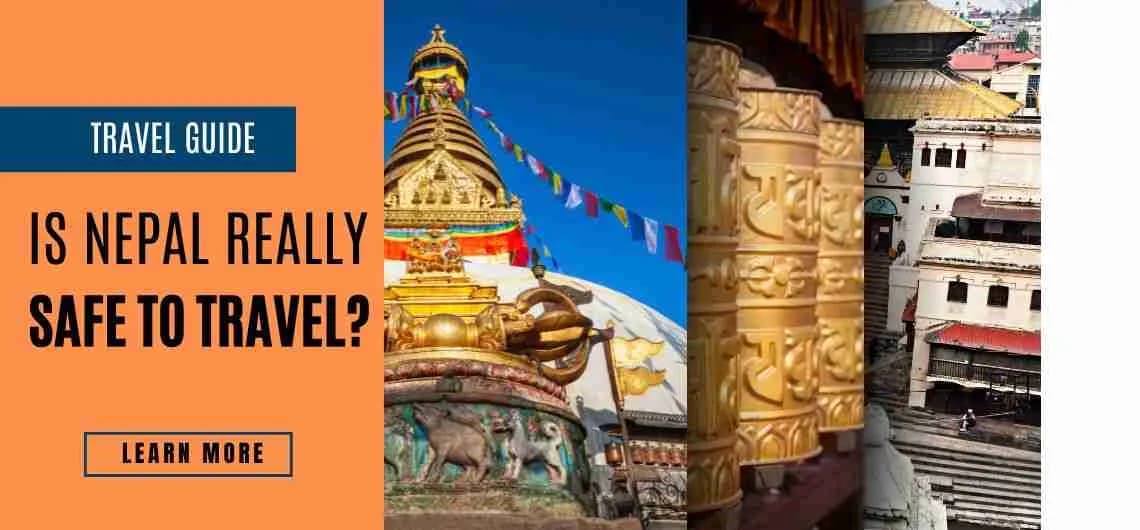
With its breathtaking peaks and lush valleys, Nepal captures the imagination of wanderers globally. But is Nepal safe to travel to, or how safe is it to travel there? This question is common among potential travelers. The good news is, with suitable precautions, Nepal is a safe and enjoyable destination. From avoiding common scams to