




 Kumar Lama
There are hardly any places found on Earth that have the same name in different countries. The Everest Base Camp is an example. It’s in both Tibet and Nepal. The place has a lot of history and adventure written all over it. Similarly, the Everest South Base Camp in Nepal is full of adventure and history. This remote glacier place has been the starting point for some of the most epic mountaineering adventures.
For the thousands of trekkers who make the long, arduous journey to it every year, reaching it is a major milestone in their lives. As a result, you traverse the beautiful Sherpa villages. You also pass ancient monasteries and some of the world’s most stunning mountain scenery.
If you’re planning your own Sagarmatha Base Camp trek, you’re wondering what to expect, what to prepare. Moreover, you may want to know why the south side of Nepal gets so many more visitors than its Tibetan counterpart. That’s exactly what we’ll look at in this classic Everest Base Camp trek guide.

Everest South Base Camp is on the Khumbu Glacier at 5,364 meters in Nepal. It serves as the main staging point for expeditions via the South Col route. Climbers set up tents, store gear, and acclimatise before tackling the icefall above. Located inside Sagarmatha National Park, it’s at the edge of the chaos of ice seracs and crevasses guarding the upper mountain. For trekkers, it marks the end of the classic Everest Base Camp trek, which starts in Lukla. When people refer to “Everest Base Camp,” it usually means the South Base Camp in Nepal.
The summit of Everest lies on the Nepal-China border, with two base camps. The Everest North Base Camp in Tibet is at 5,150 meters, near Rongbuk Monastery, and is accessible by car. The South Base Camp Everest in Nepal is the one of the most popular for trekkers to visit.
Every April and May, the area becomes a tent city with expedition tents, kitchens, and communication gear on the glacier moraine. Climbers worldwide prepare here, while Icefall Doctors (especially from the Sherpa community) fix ropes and ladders through the ice.
Since 2013, Himalayan Exploration Treks has organized guided treks to Everest South Base Camp, handling permits, guides, and logistics.
The statistics are impressive: every year, around 40,000 to 50,000 hikers make the trek to Everest South Base Camp. It is far more than a visit to the North Everest Base Camp in Tibet. What sets South Base Camp apart from its northern counterpart?
Three key advantages that set it apart are difficulty, immersion in local culture, and well-developed infrastructure.
The trail from Lukla gives you the perfect combination of physical challenge and accessibility. There is no need to contend with technical climbing. Additionally, you’re always sleeping in a warm bed at a teahouse lodge, so you don’t have to lug all that camping gear. As you walk through breathtakingly beautiful high-altitude wilderness, you’re also passing through vibrant Sherpa villages. Here you can get a real taste of daily life, sample delicious local food, and visit centuries-old monasteries.
The connection to history is a big draw. The route that Tenzing Norgay and Edmund Hillary took on their pioneering 1953 summit was the first confirmed ascent of the ta mountain in the world. Walking the same trail is a deeply affecting experience for many visitors. As a result, it’s a truly emotional connection to the mountain.
Then there are the simple practicalities. Nepal makes it relatively easy for most nationalities to get a visa. You may obtain an E-visa as well as a visa on arrival. The well-established teahouse network means you’re never more than a short walk from a warm meal, a comfortable bed, and assistance when needed. In stark contrast, Tibet has far more restrictive permit requirements, limited access, and significantly more bureaucratic hurdles. It’s a very different experience altogether.
The Everest South Base Camp trek feels like an authentic trekking journey rather than a logistical expedition. That’s what draws most trekkers back again and again.

A trek to Everest South Base Camp offers more than just a physical challenge; it’s a journey into Sherpa culture and mountain life. From the moment you land in Lukla to the sight of fluttering prayer flags along the trail, you are immersed in Buddhist traditions.
Every few steps, you encounter chortens—small Buddhist shrines—or pass mani walls inscribed with sacred mantras. Spinning prayer wheels and colorful prayer flags strung across ridges add to the spiritual atmosphere. In addition, these flags are traditionally kept on your right as you walk. As the wind blows through them, it becomes the soundtrack of your journey.
The scenery shifts rapidly with altitude. Near Namche, you walk through lush fields and pine forests, with the Dudh Kosi river rushing below. As you approach Namche Bazaar, juniper and rhododendron forests give way to meadows. Higher up, around Lobuche and Gorak Shep, the landscape opens to rocky terrain and glacial moraines.
Three monasteries highlight the spiritual core of this trek. Tengboche, at 3,850 meters, offers stunning views of Lhotse, Nuptse, and Ama Dablam—rebuilt after a 1989 fire. Pangboche is a notable village as the oldest monastery in the region, while Khumjung, perched above Namche, is a tranquil spot. Here, climbers seek blessings before their ascent.
Photographers will find endless opportunities. Kala Patthar provides breathtaking views of Mount Everest, while Pangboche captures Ama Dablam in full glory. Nearby, the ice formations of the Khumbu Glacier, and wildlife—such as Himalayan thars and Danphe pheasants—enhance the experience.
The trek to Everest Base Camp is a classic journey that spans 12-14 days from Kathmandu. You’ll trek through the Khumbu Valley following a well-established route. Here’s what the journey looks like with a standard Everest Base Camp Trek itinerary:
Day 1: You take a flight to Lukla Airport at 2,860m from Kathmandu (or Ramechhap). This mountain flight is about 25-30 minutes and drops you off at Tenzing-Hillary Airport. The airport is literally perched on a cliff and is one of the world’s most thrilling runways. Then you trek down to Phakding (2,610m) along the Dudh Koshi River.
Day 2: You hit the trail to Namche Bazaar (3,440m), which is actually the entrance to Sagarmatha National Park near Monjo. The trek crosses some pretty rickety suspension bridges. Then you start climbing up to the Sherpa capital.
Day 3: Day off in Namche to let your body acclimate to the altitude. Why not take a short hike to the Syangboche viewpoint or pop by the Everest View Hotel to get a feel for the place?
Day 4: Trek on to Tengboche (3,860m). The views of the monasteries and the mountains make this one of the trek’s real highlights.
Day 5: Trek to Dingboche (4,410m). From here, the landscape opens up into the Imja Valley. You get a great view of Ama Dablam looming over the landscape.
Day 6: Day off in Dingboche to let your body recover. Why not hike up to Chhukung for views of Island Peak and the Lhotse wall?
Day 7: You head to Lobuche (4,940m). From here, you see the Thukla memorials to all the climbers who didn’t make it. You also enter some seriously glacial terrain.
Day 8: Carry on to Gorak Shep (5,164m). Then trek to South EBC (5,364m) and return to Gorak Shep for the night.
Day 9: Early morning hike up to Kala Patthar (5,545m) for the sunrise views. Then you head back down to the picturesque village of Pangboche (3,900m).
Days 10-12: Descend through Pangboche, Tengboche, Namche, and back to Lukla.
Days 13-14: Then you fly from Lukla back to Kathmandu. It’s a good idea to build in some buffer days in case the weather delays your flight.
The key to all of this is taking it easy and giving your body time to rest and recover. If you don’t build in rest days, you significantly increase your risk of altitude sickness. reduces the risk of altitude sickness.

The Sherpa villages and monasteries serve as natural checkpoints on the Everest South Base Camp trek—ideal spots to rest and enjoy a meal. You can also immerse yourself in the region’s unique culture. As a result, your journey becomes truly memorable.
Namche Bazaar (3,440m) is the market town and acclimatization hub of the Khumbu region. Here, you can stock up on supplies and experience local life. If feeling adventurous, you can enjoy coffee at a café or pizza at a bakery. The village sits in a natural amphitheater with stunning mountain views, including Everest and Lhotse. The Saturday market draws traders from across the region. Additionally, it is a popular overnight stop, providing excellent acclimatization hikes with breathtaking vistas.
Khumjung (3,790m) is a quieter village tucked behind the ridge above Namche. Its monastery is worth visiting, especially if you’re interested in the legend of the yeti scalp displayed there. It offers a peaceful contrast to the busier trail.
Tengboche (3,860m), home to the largest and most renowned monastery, radiates energy and atmosphere. The morning prayers, featuring horns, drums, and chanting, are a highlight. Climbers often visit the monastery for blessings before their summit pushes, and reconstructing it after a 1989 fire symbolizes Sherpa resilience.
Pangboche (3,985m), believed to be the oldest monastery in Khumbu, is a special place. Its ancient junipers and sacred paintings create a powerful spiritual ambiance. This spot is often regarded as the heart of Sherpa Buddhism in the area.
At Himalayan Exploration Treks, we typically include visits to these monasteries in our South Base Camp Everest itineraries. Such stops enrich your journey, offering a profound insight into the cultural landscape.

Above 4400 meters, you suddenly find yourself in a whole different world. The air becomes noticeably thinner, and vegetation disappears completely. It’s rock, ice, and moraine as far as the eye can see.
The trek from Dingboche to Lobuche, then on to Gorak Shep, is a real test of your ability to acclimatize and your determination. Then at Thukla Pass, you come across memorials to the climbers who lost their lives on Everest expeditions. These are stone monuments and prayer flags commemorating the lives of people who paid the ultimate price for their ambition. It’s a sobering reminder of just what this mountain is capable of.
Lobuche and then Nuptse’s almost overwhelming south face come fully into view. It is an awesome sight that stretches as far as the eye can see. In addition, to the west, the great pyramid of Pumori rises out of the landscape. You start to get a glimpse of the massive glaciers that come tumbling down from the very highest peak on Earth.
While you walk along the lateral moraine of the Khumbu Glacier toward South Base Camp, it is just about as different a trail experience. The path is rough and uneven, crossing rocky ground with ice protruding from the glacier beside you. You hear the most unnerving sound as the ice creaks and shifts beneath your feet. Streams pop up and then quickly vanish. They disappear in between ice cracks that seem to be shifting all the time. It’s a wild, unpredictable terrain that’s hard to get your head around.
The base camp itself has a completely different feel. When the climbing season kicks in, the whole place is filled with expedition tents strewn all over the glacier. Prayer flags flap above the camps. All the time, there is a constant noise of the shifting icefall. Great towers of ice up to 50 meters high are crashing and reforming above you all the time.
Now, here’s a thing that will likely catch a lot of trekkers out: you can’t see the summit of Everest from South Base Camp. The Khumbu wall blocks its pinnacle; the angle is all wrong. But you can still get a great sense of the scale of the place from the staging areas of the major expeditions. The great ice seracs of the icefall and the surrounding peaks add to the effect. You get a sense of the sheer power of this incredible place.
If you want the best views, you need to visit Kala Patthar. This 5,545-meter viewpoint above Gorak Shep offers the closest possible panoramic view of Everest, Nuptse, Lhotse, and the glacier below. Most trekkers get up before the sun rises to catch the sunrise hitting the north face of Everest and the summit pyramid. You get some simply stunning shots of the whole place, offering a profound insight into the cultural landscape.
Let’s cut to the chase and get real about what this trek is like. It’s a serious undertaking – moderate to strenuous is a pretty good description for it. No technical climbing is required, but the altitude and distance will still push even the most experienced hikers.
Getting Physical: You’ll be going up a lot, gaining roughly 3,000 meters in altitude over the 120-130 km distance. That’s not just a matter of adding up the hours on your feet, either. Typical days on the trek involve 5-7 hours of walking across various terrain. Mix in the altitude, icy temps, and exhaustion, and you’ve got a whole lot harder than a hike at sea level would ever be. It is hard, no matter how long it is.
How Long Does it Take? The standard trek usually takes 12-14 days to reach Lukla and return. This includes the proper rest days you’ll need to acclimatize. If you’re looking for a bit more wiggle room – for example, side trips- then slogging it out for 16-18 days is probably your best bet.
| Seasons | Conditions | Notes |
| March-May (Spring) | Clear skies, moderate temperatures, rhododendrons in bloom. | Peak climbing season; busiest on the trail. |
| September-November (Autumn) | Excellent visibility, stable weather, cooler temperatures. | The most popular trekking season. |
| December-February (Winter) | Very cold, possible snow, fewer tourists. | Beautiful but demanding; requires cold-weather gear. |
| June-August (Monsoon) | Rain at lower elevations, clouds obscure views. | Flight disruptions are common; least recommended. |
Spring and autumn tend to offer the best weather, views, and comfort. The daytime temperatures at the base camp will range from a chilly 5°C to a pleasant 10°C. However, you won’t stay there; the nights will still drop a fair bit.
We at Himalayan Exploration Treks take a very, very deliberate approach to our itineraries. We include built-in rest days and gradual climbs. And all sorts of other safety measures to make sure you get to the base camp healthy and strong. Check out our package for the Everest Base Camp Trek with Heli Return to Lukla or Kathmandu.
Every trekker heading for the mighty South Everest Base Camp must obtain specific permits and plan a route to the Khumbu. We’re here to fill you in on the details:
| Permit | Purpose | Notes |
| Nepal Tourist Visa | Entry to Nepal | Available on arrival or e-visa |
| Sagarmatha National Park Entry | Access to a protected area | Obtained at Monjo checkpoint |
| Khumbu Pasang Lhamu Rural Municipality Permit | Local conservation fee | Required for all trekkers |
Our job is to get all the local permits sorted out for you while you sit back and relax. There is no need to navigate the red tape yourself.
The standard way to do it is to take a beautiful mountain flight from Kathmandu or Ramechhap to Lukla Airport. It’s a 25-30-minute flight with some of the most incredible views of the Himalayas you’ll ever see. However, be aware that airlines cancel or delay flights to Lukla about 30% of the time during peak season. For that reason, we recommend you build some buffer days into your itinerary.
If flying is a concern for you, there are alternative ways to reach Lukla. You can drive from Kathmandu to Salleri or Phaplu (approximately 8-10 hours). Then you can take a jeep to Surke or walk for 2-3 days to reach Lukla. It adds a bit more time to your trek and helps with acclimatization. Moreover, it takes the stress out of flying. And then there is the classic Jiri approach – the route Hillary and Tenzing took themselves. It takes 5-7 days, but you get to experience some amazing local culture and the fun of gradual altitude gain.
At Himalayan Exploration Treks, we’ll arrange your airport transfers, domestic flights, all your permits, guide, and porter services as part of our Everest Base Camp trek packages. All you have to do is turn up for your trek. We’ll handle the rest.
Can you trek to Everest South Base Camp on your own? Yes! Theoretically, you can give it a shot. But let’s be real, most people will have a much better time with a licensed local guide. Having their support crew by their side also helps.
Guides have this trail down pat. They know the early warning signs of altitude sickness like the back of their hand. They’ll sort out logistics when the weather decides to get in the way. And they’ve got the local knowledge that’ll turn what could be a grueling hike into a real adventure.
Altitude sickness is the big concern. If you are not acclimated and you find yourself above 4,000 meters, you’re looking at about a 50/50 chance of developing symptoms. These include headaches, nausea, feeling knackered, and shortness of breath. In addition, there is the more serious stuff like HAPE and HACE – don’t get to that stage if you can help it. However, proper acclimatization, taking your time, and monitoring for symptoms can significantly reduce your risk of getting in trouble.
First off, the weather in the mountains can change fast – afternoon clouds, snow out of nowhere, temperatures plummeting in an instant. And if you’re really stuck, travel insurance that covers a helicopter lift out at around 6,000 meters is essential. Don’t leave Kathmandu without it either.
Start training 8-12 weeks before you head off. Get in some serious cardio – put on a heavy pack and hike, run, cycle, or climb stairs. Get used to walking in your trekking boots with a daypack on your back. You don’t need to be a fitness superstar. You need spare days to make consecutive days of hiking at altitude bearable.
As for gear – essentials include layers for varying temperatures, a good down jacket for the chilly mornings and evenings, a 4-season sleeping bag (or a good bag liner if the teahouses have blankets), sturdy boots with some ankle support, trekking poles for stability, sun protection (high-altitude sunlight can be a real killer), and a basic medical kit with any prescription meds like Diamox. Additionally, don’t forget any personal items you need.
At Himalayan Exploration Treks, we’re particularly proud of the fact that we tailor every trip to be altitude-aware. Our guides keep an eye out for symptoms, we make sure our porters receive good care, and we maintain the right connections for emergencies. Safety will always be our top priority.
Many travelers head to the Everest region and wish they could stay a little longer. The good news is, there are many ways to extend your trip. It lets you make the most of your time.
Gokyo Valley, for instance, is totally worth a visit. Those turquoise lakes, that viewpoint on Gokyo Ri, and the Ngozumpa Glacier add an extra dimension to the South Base Camp trek. Some people choose to combine the two by tackling the Cho La Pass.
The Three Passes Trek, on the other hand, is a full-on high-altitude adventure. It links Kongma La, Cho La, and Renjo La in a dramatic circuit. You need to be reasonably fit and properly acclimatized, but the views are incredible.
If you’re a thrill-seeker, you might be interested in trying a trekking peak. Island Peak (6,189m) or Lobuche East (6,119m) are good places to start. You can combine these with a South Base Camp trek if you want to tack on a summit to your trip.
If you’re not looking to spend your whole trip trekking, there are a few off-the-beaten-path day trips you can easily squeeze into a standard itinerary. For example, you can try a sunrise hike to Kala Patthar. Or take a side trip to Ama Dablam Base Camp from Pangboche. Additionally, spending an extra night in Namche to explore the villages & Khumjung is also a good option.
The Everest South Base Camp in Nepal – just saying those words brings to mind the very heart of the Everest story. It is the place where many people have dared to dream of standing atop the world. Additionally, thousands of hikers place their own markers along the way each year.
The trek from Lukla to Everest Base Camp offers a unique experience. It involves crossing suspension bridges, visiting Sherpa villages and monasteries, and reaching an elevation of 5,364 meters. Along the way, you find yourself amidst expedition tents and prayer flags.
The fact is – it’s the combination of physical challenge, spiritual discovery, & some of the most awe-inspiring scenery on the planet that makes this trek so special. Whether you’re drawn to the history of mountaineering, the local culture, or just the idea of pushing yourself to the limit, the Everest South Base Camp delivers on all fronts.
At Himalayan Exploration Treks, we’ve been guiding folk through this landscape since 2013. We know the trails, the villages, and the mountain weather patterns inside out. We pride ourselves on getting you home safely while still allowing you to fully soak in the magic of the journey. Moreover, we tailor every trek to suit you. We consider your fitness level and your schedule.
Ready to start planning your next big adventure? Then reach out to our team. The mountains are waiting, and we can’t wait to get you there.
If you are planning to trek to Everest Base Camp, proper preparation is the best way to ensure a safe and successful trek. An Everest Base Camp guide can help answer many of the questions that often pop into your mind. This happens whether you are a first-time trekker or an experienced adventurer. The questions
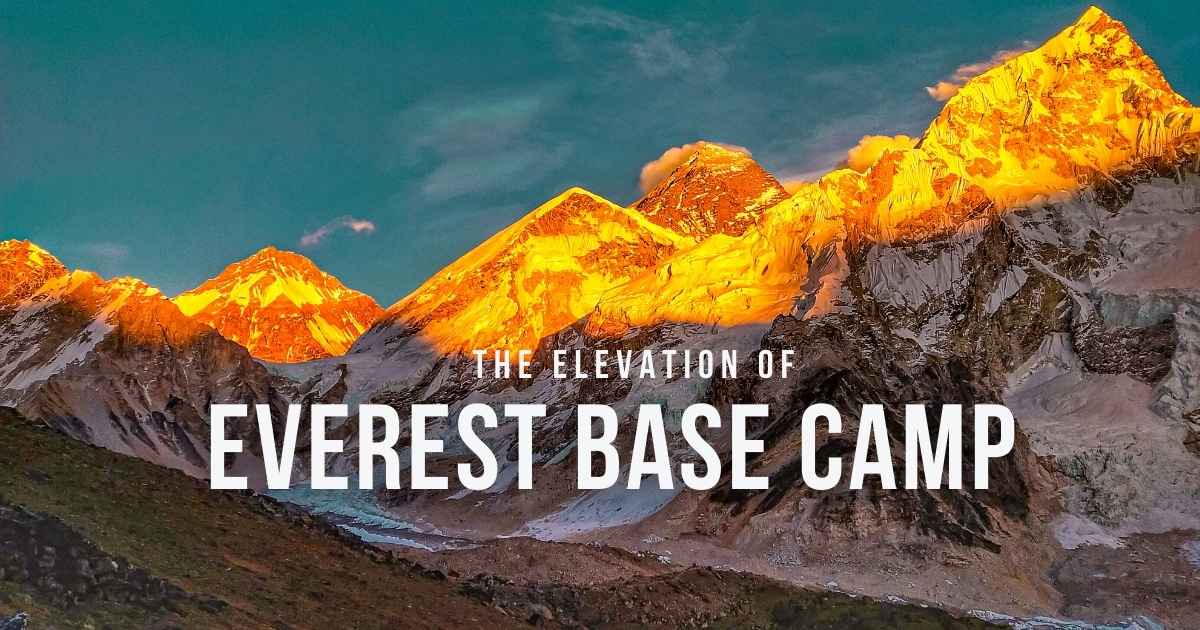
When you hear the name of Mount Everest, you suddenly think of its base camps or the summit of the tallest mountain on Earth. For mountain climbers and trekkers, it is a significant milestone. You will gain the elevation to get to Everest Base Camp (EBC). It is that crucial stopover that gets you halfway
With its breathtaking peaks and lush valleys, Nepal captures the imagination of wanderers globally. But is Nepal safe to travel to, or how safe is it to travel there? This question is common among potential travelers. The good news is, with suitable precautions, Nepal is a safe and enjoyable destination. From avoiding common scams to